An Intricate Tree Design for Real-World Embroidery
The First Stitch: A Designer's Initial Impression
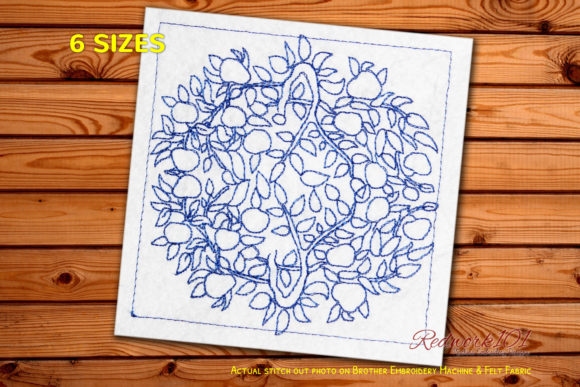
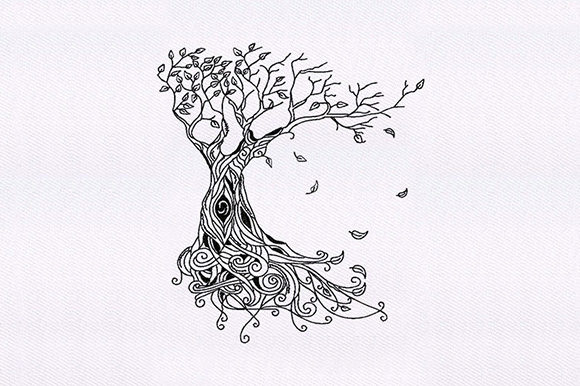
When you load an embroidery design, you're not just looking at a file; you're envisioning the stitch. My first glance at this Intricate Tree Leave Design tells me it’s more than a forest motif. It’s a piece of detailed, natural artwork waiting to be translated into thread. The layout isn't just a tree; it’s a composition. The branching structure and the interplay of leaves suggest a thoughtful, organic arrangement. This creates a mood that’s both serene and sophisticated—perfect for projects that aim for a quiet, elegant statement rather than a loud graphic.
The level of detail here is its defining personality. It feels crafted for those who appreciate subtlety in their handmade products. This isn't a quick, blocky logo. It’s a design that belongs on items where the embroidery itself is the centerpiece of the value: a beautifully custom tote bag, a special pillow cover for a nursery, or a high-quality apron meant as a heartfelt gift. The intricacy promises a finished product that looks carefully made, which is exactly what customers connecting with craft businesses and boutique brands are seeking.
Where This Design Finds Its Natural Home
Let’s talk real projects. I’m picturing this stitched onto a soft, heavyweight sweatshirt. The Intricate Tree Leave Design would sit beautifully on the left chest area, offering a refined, nature-inspired logo for a small shop’s merchandise. The detail would translate into a compelling point of interest, encouraging a closer look—a key engagement point for any custom apparel.
For gift-focused makers, imagine this on a linen tea towel or a blanket corner. It elevates a simple household item into a personalized gift with a handmade presentation that feels genuinely special. For Etsy sellers and craft fair vendors, this design could be the consistent branding element across a line of products: tote bags, caps, and apron sets all featuring the same elegant tree, building immediate brand recognition and trust through visual consistency.
As an embroidered patch, this design has serious potential. The complexity would make for a stunning standalone piece, ideal for attaching to jackets or bags. However, its true strength lies in projects where the embroidery is the primary decoration, not an accent. It’s a statement piece.
A Practical Scenario: The Boutique Tote Bag
Here’s a natural real-life scenario I’m considering. A client requests a custom tote bag for a wedding gift, wanting something unique and lasting. The Intricate Tree Leave Design immediately comes to mind. Stitched onto a natural canvas tote, the tree’s detailed branches and leaves would create a textured, artistic focal point. It feels timeless, not trendy. I’d expect the recipient’s reaction to be one of admiration for the craftsmanship—the stitch clarity and the design’s depth would directly enhance the perceived value of the finished product. This is the kind of design that turns a simple bag into a keepsake.
Navigating the Practical Stitching Considerations
Any design with “intricate” in its name demands a practical approach. The beauty is in the detail, but that detail requires mindful execution. First, the stitch density in areas like the clustered leaves will be crucial. On thinner fabrics like standard t-shirts or some baby clothes, a very dense fill stitch might lead to puckering or a stiff feel. This design calls for a stable, substantial fabric base—think denim, canvas, twill, or quality knit for sweatshirts.
Stabilizer choice is non-optional here. You’ll need a good, firm stabilizer to support all those details and prevent distortion, especially if you’re working on a curved surface like a cap. The design’s complexity means small, detailed corners and fine lines are present. On dark fabric backgrounds, you must carefully consider thread color contrast. Some of the finer elements might get lost if the contrast isn’t strong enough. A test run on scrap fabric is absolutely your best first step.
While the provided file format list is extensive (including PES, JEF, DST, and others), confirming your specific machine compatibility and the ideal hoop size for your project is a step you must take yourself. The intricacy suggests it will benefit from a larger hoop area to allow all elements to stitch cleanly without crowding. For very small projects, like on a baby bib, the design might need to be scaled down, and you’d need to inspect how those tiny details hold up at a smaller size.
Designer Notes for a Professional Finish
Before committing this to a client project or your small shop merchandise, here’s my checklist.
- Test, Test, Test. Run this embroidery file on the exact fabric type (and color) you plan to use. Observe the stitch clarity, particularly in the most dense areas.
- Check Color Contrast. Create a simple black and white mockup or view the design in your software on both light and dark backgrounds to visualize how the elements separate.
- Mind the Texture. On heavily textured fabrics, the fine lines of the tree branches might not pop as clearly. A smooth fabric is often a safer bet for maximum detail visibility.
- Consider Commercial Use. If you intend to sell the finished embroidered products (like tote bags or pillow covers) or use the design as part of your commercial embroidery service, you must confirm the licensing terms for this digital embroidery file. Never assume.
- Presentation Matters. For Etsy sellers and creative entrepreneurs, a clean, detailed printable mockup of this design on a product (like a sweatshirt) can significantly boost buyer engagement. It shows the design’s potential and your professionalism.
The Final Verdict: A Design for Thoughtful Projects
The Intricate Tree Leave Design is a compelling asset for the maker who values depth over speed. It won’t be the fastest stitch, but it will be one of the more impactful. Its visual appeal lies in its crafted complexity, which directly supports the story of a handmade, quality product. It fits perfectly into the realms of personalized gifts, boutique branding, and decor items where the embroidery is the hero.
Use it where its personality can shine: on stable fabrics, with proper preparation, and for projects where that extra time stitching translates into extra perceived value. It’s a confident choice for enhancing your craft business’s offerings or creating a one-of-a-kind gift that truly stands out. Approach it with a professional’s care, and it will reward you with a finished product that feels as intentional and intricate as the design itself.