A Real Designer's Review of the Creative Fabrica Tree Pattern
When sourcing embroidery designs for real client projects, the criteria shift from simply liking the artwork to understanding how it will perform on fabric. As a professional embroidery designer, I recently evaluated the Tree Pattern from Creative Fabrica's Forest category for potential use in custom products, and here is my honest, practical assessment.
First Impressions and Natural Project Fit
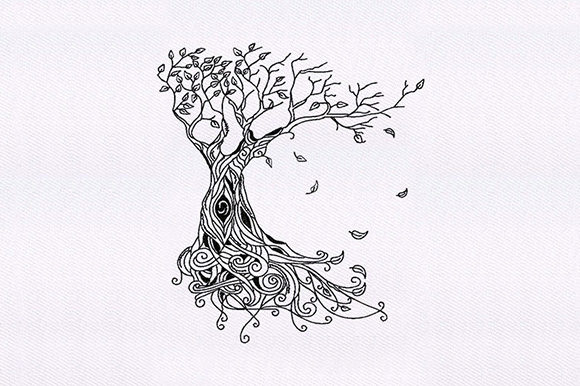
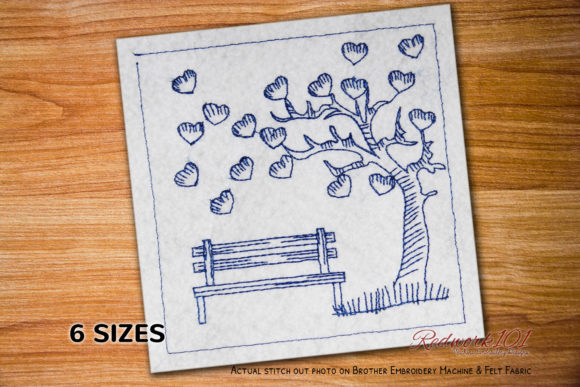
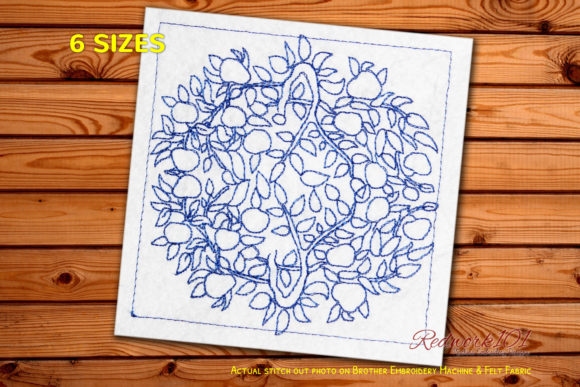
The Tree Pattern presents a clean, graphic aesthetic. It feels versatile rather than hyper-detailed, suggesting it's meant for bold, decorative impact rather than realistic botanical illustration. This gives it a wide application range. The mood is modern and slightly rustic, making it an excellent candidate for handmade gifts and casual custom apparel. My immediate thought was its suitability for tote bags, aprons, and pillow covers aimed at a boutique or Etsy audience. The design personality leans towards a statement piece rather than subtle embellishment.
Performance in Commercial and Handmade Projects
For a design like this, the real test is imagining it stitched out on various surfaces and products.
On flat, stable fabrics like cotton canvas for tote bags or linen for kitchen towels, this Tree Pattern should perform reliably. The likely use of fill stitch areas for the trunk and foliage means good coverage, which is vital for product durability and visual appeal in items like baby blankets or aprons that undergo washing. However, on stretchy fabric like sweatshirts or curved surfaces like caps, careful stabilization is paramount. The stitch density, if too high, could cause puckering on knits, so testing on scrap fabric is essential.
For embroidered patches, this design's graphic nature could work very well, provided the outlines are clear and the elements aren't too finely detailed. This is a key consideration for Etsy sellers creating patches for craft fairs.
Practical Embroidery Notes for Success
No matter the embroidery file’s appeal, its success depends on preparation. Here are my practical notes for using the Tree Pattern in real work.
- Always test on scrap fabric. Use the same material and stabilizer combination as your final project. This reveals any issues with stitch density or registration immediately.
- Check thread color contrast. This design’s impact hinges on contrast. On dark fabrics, you may need to adjust the color palette from the default for optimal visibility.
- Review the product details on Creative Fabrica. Before any commercial embroidery, confirm the listed hoop size requirements, machine compatibility, and the license terms for selling finished items. The product description mentions an optional box stitch, so understanding which elements are core to the design is crucial.
- Inspect small details after stitching. Especially for products like nursery decor or baby items where presentation is key, ensure all stitch transitions are clean.
- Use proper stabilizer. For textured or stretchy bases, this is non-negotiable to maintain the design’s crisp shape.
How This Design Affects Product Value and Customer Appeal
From a business perspective, a machine embroidery design isn't just a pattern; it's a tool for building your brand and product value.
The Tree Pattern, when well-executed, adds a touch of handmade artistry that elevates a simple item. A well-embroidered tree on a pillow cover or sweatshirt embroidery can enhance giftability and visual appeal in product photography. For Etsy sellers and boutique owners, using consistent, high-quality designs builds buyer trust and brand consistency. This pattern, with its clear theme, could anchor a line of Forest-themed products, from kitchen towels to caps, creating a cohesive collection for your shop.
However, the value is fully realized only if the technical execution is flawless. A puckered or poorly contrasted embroidery can undermine handmade presentation and customer engagement. Therefore, the design's success is a partnership between the digital embroidery file’s inherent quality and your skill in applying it.
Final Thoughts: Is It Worth Using?
For embroidery designers, Creative Fabrica users, and creative entrepreneurs looking for a versatile, graphic nature motif, the Tree Pattern is a strong contender. Its style naturally fits popular handmade product categories. The potential challenge lies not in the design's artistry but in its application. Its performance on different fabrics and in different hoop sizes is the variable you must control.
My recommendation is straightforward. If your project involves stable fabrics and you've verified the file details and licensing for your commercial use, this pattern can be a valuable design asset. It can help create appealing custom apparel, embroidered patches, and seasonal gifts. But always prioritize the practical steps: test, stabilize, and inspect. That diligence transforms a downloaded file into a premium finished product your customers will love.