A Review of the Purple Monkey Embroidery Design
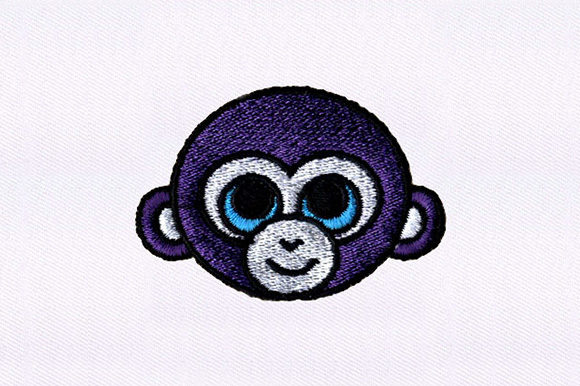
When a new embroidery design lands on my screen, my first question isn't just "Is it cute?" but "Where does it belong?" The Purple Monkey design immediately presents itself as a character with a gentle, whimsical personality. It's not a hyper-realistic depiction but a stylized, friendly figure that feels both nostalgic and fresh. The shape is soft, with rounded features that suggest it would stitch out cleanly without overly sharp corners. This visual personality, this mood of playful calm, tells me it’s naturally suited for projects meant to evoke warmth and comfort.
The Perfect Project Match: Where This Monkey Shines
I picture this design stitched onto a soft, heather gray sweatshirt—a personal gift or a boutique shop item. It has the detail level to stand alone as a central motif, not just an accent. The layout feels balanced, which means it wouldn't look awkward on a tote bag flap or centered on a pillow cover. For creative entrepreneurs, this is a versatile asset. Imagine it on a child’s apron, a nursery decor pillow, or as the focal point on a kitchen towel for a unique housewarming gift. Its woodland animals theme gives it a timeless appeal that isn't tied to a fleeting trend, making it a reliable choice for Etsy sellers and small business merchandise.
For apparel decorators, think about a baby’s organic cotton tee or a lightweight hoodie. The design’s friendly aura translates directly into product value; it makes a handmade presentation feel intentional and charming. In a real-life scenario, I'm preparing a custom embroidered tote bag for a client's garden shop. The Purple Monkey, paired with simple text, creates a cohesive, branded look that feels professional yet approachable. It’s exactly the kind of design that encourages customer trust and buyer engagement because it’s clearly well-crafted.
Navigating the Stitching Terrain: Practical Considerations
While the provided embroidery file formats are extensive—including PES, JEF, DST, and others—this compatibility is a strong starting point. However, its performance on real fabric is what matters. On textured fabrics like a woven blanket, the fill stitches need to be dense enough to prevent the background fabric from peeking through, so a good stabilizer is non-negotiable. On stretchy fabric like a cap, the design's rounded edges are a benefit, but you must hoop carefully to avoid distortion on that curved surface.
Dark fabric is a interesting test. The purple hues, depending on your thread choices, will need sufficient contrast. A deep navy backdrop might require lighter thread shades to keep the monkey's form clear. This is where testing on scrap fabric first is absolutely critical. You need to see how the stitch density handles the transition from light to dark backgrounds. Small hoop sizes could be a challenge if the design has many small detail areas; it's wise to check the actual dimensions before committing to a tiny baby garment.
Designer Notes for a Successful Stitch Out
My process with any design like Purple Monkey involves a few key steps. First, I run a test on a similar fabric to my final product. This reveals any potential issues with satin stitch outlines or tight corners. Second, I review the thread color palette in a black and white mockup to ensure the contrast levels will hold up even in a grayscale image—this speaks to stitching clarity. Third, I confirm the licensing terms for the digital embroidery file before integrating it into commercial embroidery projects or selling finished items. This is a fundamental step for craft business owners and digital product sellers.
Using proper stabilizer for the specific fabric—whether it’s a thin tea towel or a layered garment—is the unsung hero of a clean finish. For products that need frequent washing, like baby clothes or kitchen linens, a robust fill stitch in the main body areas will help the design endure. The design's visual appeal hinges on this technical execution.
Turning a File Into a Treasured Product
The leap from an embroidery file to a finished product is where your skill meets the design’s potential. For Purple Monkey, I see it elevating simple items into personalized gifts with high giftability. Stitched onto a high-quality organic cotton sweatshirt, it becomes a boutique product. As an embroidered patch, it could be applied to a backpack, adding recognition to a small shop’s brand. In printable mockups for an Etsy listing, it presents as a professional, ready-to-use design asset.
The key is to let the design’s friendly personality guide the project. It doesn’t scream for attention; it invites a smile. That’s a powerful quality for handmade products. It fits into a collection of woodland animals embroidery designs seamlessly, offering brand consistency for shops that curate a specific aesthetic. For hobbyists and makers, it’s a straightforward, rewarding project. For the professional, it’s a reliable, commercially viable design that, when stitched with care, turns into something customers will love and trust.
Ultimately, Purple Monkey feels like a design that asks for a thoughtful application rather than a complex technique. It’s a reminder that in machine embroidery, the best designs are those that translate seamlessly from screen to thread to product, carrying their mood and charm intact through every stitch.