A Magician Rabbit Design Review for Personalizing Gifts
As someone who runs a small embroidery shop specializing in personalized gifts, I spend a lot of time choosing the right designs. Today, I’m reviewing a specific machine embroidery design: the Magician Rabbit Design. This review is from the perspective of using it on actual customer orders—from baby blankets to wedding keepsakes—to see if it holds up in the real world of handmade product creation.
The First Impression: Charm, Detail, and Emotional Pull
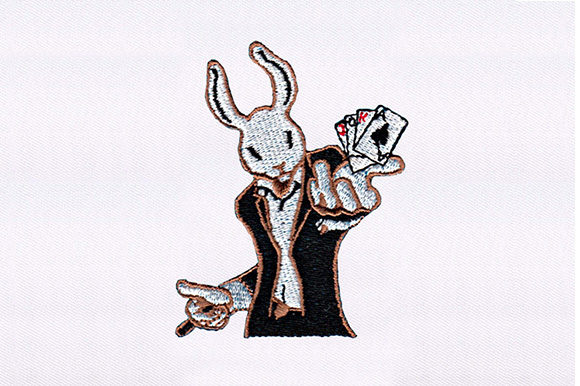
Opening the design files, the first thing you notice is the mood. This design isn’t just a simple rabbit; it has a playful, almost whimsical charm. The level of detail suggests a handmade, sweet quality that feels perfect for storytelling. It leans into a classic, timeless aesthetic with a touch of modern playfulness. For a customer seeking an emotional connection—think a gift for a new baby, a woodland-themed nursery, or a romantic wedding accessory—this design immediately sparks that “meaningful gift” feeling. It’s elegant enough for a keepsake yet playful enough for a child’s item.
Versatile Applications for Your Shop or Craft Fair
The true test of any embroidery file is its versatility. The Magician Rabbit Design excels here. I envision it beautifully applied to:
- Baby embroidery: On a soft blanket, a delicate bib, or a nursery wall hanging.
- Wedding gifts: Embroidered on a pillow cover for the newlyweds or a custom tote bag for a bridal shower.
- Family keepsakes: Stitched onto a decorative pillow or a framed textile art piece.
- Personalized towels and aprons: Adding a unique touch to kitchen linens.
- Craft fair products and Etsy listings: As a standalone design on a baby onesie or a tea towel, it creates an attractive, gift-ready product.
For digital product sellers, this design allows for compelling printable mockups in listings. Showing a preview on a baby blanket, a pillow cover, or an apron can significantly boost buyer engagement.
Where to Use This Design with Care
While versatile, successful custom embroidery requires knowing a design’s limits. For the Magician Rabbit Design, pay close attention to:
- Delicate details: Any very small elements or fine lines will need proper stabilizer and precise hooping.
- Textured or thick fabrics: Stitching on a thick towel or a looped fabric requires adjusting stitch density and stabilizer to maintain clarity.
- Stretchy baby clothes: A firm stabilizer is crucial to prevent distortion on stretchy knits.
- Curved surfaces: Like on a rounded tote bag pocket, planning the placement is key.
- Dark fabrics: Thread color contrast becomes paramount. A light, bright thread palette will pop, but you must test it first.
- Products needing frequent washing: For items like kitchen towels or baby clothes, ensure your stitch density and thread choices are robust enough for durability.
How This Design Enhances Giftability and Customer Trust
From a business perspective, using a design like this on your finished products directly impacts perceived value. The Magician Rabbit Design carries an inherent warmth and craftsmanship. When a customer sees it on a handmade product, it elevates the item from generic to bespoke. This builds trust and emotional connection. In product photography, the clear, charming details make for beautiful, engaging photos that tell a story—essential for Etsy sellers and small shop owners. It speaks to buyers looking for something beyond mass-produced, increasing the likelihood of a custom order.
Practical Embroidery Notes Before You Stitch
Before running this on a real customer’s gift, my professional checklist is always:
- Test on scrap fabric identical to the final product fabric.
- Check thread color contrast for both light and dark fabric mockups.
- Confirm the hoop size required; this is critical for placement on specific items like blankets or aprons.
- Review stitch density by looking at the files; heavier density might need adjustment for delicate fabrics.
- Use the proper stabilizer type and weight for the chosen application.
- Check small details after stitching the test piece to ensure clarity.
- Most importantly, if you plan to sell the finished products, confirm commercial licensing terms for the digital embroidery file before production.
The provided file formats—including ART, DST, EXP, HUS, JEF, PES, and others—offer great compatibility across machines, but always verify the specifics like exact stitch counts or recommended hoop size from the design source if not provided.
The Perfect Customer for a Magician Rabbit Gift
In my gift shop planning, I see this design attracting customers who value storytelling and personalization. It’s perfect for a grandparent wanting a unique baby embroidery piece for a newborn. A friend seeking a wedding gift with a touch of whimsy. Or a parent decorating a woodland-themed nursery. The design’s blend of classic and playful makes it a safe bet for a wide emotional range. As a Woodland Animals category design, it taps into a popular, enduring theme in embroidery for gifts.
Ultimately, the Magician Rabbit Design passes the test for my personalized gift product line. Its emotional appeal, versatility, and craftsmanship potential make it a reliable choice for creating products that feel special, handmade, and genuinely gift-worthy. Just remember the practical steps—test thoroughly, understand its application limits, and ensure your licensing—to turn this charming digital file into a cherished finished product.