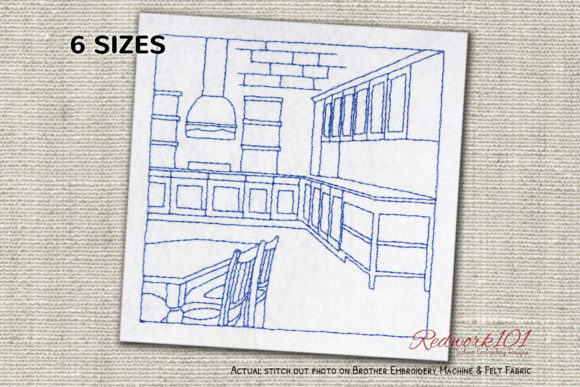
Kitchen Interior Design Redwork Embroidery Review
As an embroidery designer planning a boutique apparel collection, I spend a lot of time looking for designs that offer both strong visual personality and practical versatility. When I first saw the Kitchen Interior Design Redwork embroidery file on Creative Fabrica, my immediate impression was of a charming, classic, and handcrafted feel. This isn't a loud or overly trendy design; it carries a quiet, premium, and subtly rustic mood that feels perfect for creating cozy, lifestyle-oriented garments.
The Visual Mood for Apparel Decorators
The Kitchen Interior Design Redwork design leans into a more decorative and illustrative style. The detail level suggests it would translate well into a clean, crisp stitch on fabric, offering a level of detail that feels intentional and artful without being overly dense. For small clothing brands and Etsy sellers looking to elevate their product lines, this kind of design adds a touch of sophistication. It feels equally suitable for feminine, playful, or classic brand identities, depending on how you pair it with your garment choice and thread colors.
Planning a Sweatshirt Collection with This Design
Imagine applying Kitchen Interior Design Redwork to a range of neutral sweatshirts and pastel hoodies. On a cream or oatmeal-colored sweatshirt, the redwork would pop beautifully, creating that sought-after handmade product aesthetic. For a dark apparel item, like a charcoal grey hoodie, you'd want to carefully consider thread color contrast—perhaps opting for a softer, contrasting color palette instead of a true red to ensure the design stands out without fighting the dark background.
On oversized garments, this design could serve as a striking central chest placement or a balanced back design. Its composition feels complete, making it a ready-made focal point for a tote bag or the front of a denim jacket. For a cozy seasonal outfit, like a fleece-lined hoodie, it would complement the texture perfectly, suggesting warmth and home.
Practical Placement for Commercial Embroidery
For sweatshirt embroidery, especially on the chest of a hoodie, the scale seems appropriate. It’s likely detailed enough to be recognizable without requiring an enormous hoop size. As a sleeve accent, it could be a lovely smaller detail, but I would advise checking the specific stitch density in the Creative Fabrica product details first. Dense stitch areas on stretchy fabric like fleece or on ribbed cuffs can present challenges with puckering if not stabilized correctly.
For t-shirt embroidery, the design could work well, but lightweight fabrics require meticulous stabilizer choice to handle any concentrated stitching. On curved surfaces like the shoulder area of a sweatshirt, hoop mastery and stabilizer are key to preventing distortion.
How This Design Affects Brand Value and Presentation
Using a cohesive, well-executed design like Kitchen Interior Design Redwork across a product line—say, on sweatshirts, tote bags, and maybe even apron sets—builds strong visual consistency for your boutique brand. That consistency enhances professional presentation in your Etsy listings, lifestyle product photos, and printable mockups. It fosters customer engagement and buyer trust because the product looks carefully crafted and intentional. For digital sellers and creative entrepreneurs, this kind of reliable, aesthetic design helps in building product recognition, making your shop memorable.
Essential Designer Notes Before Production
Before running this machine embroidery design on any garment for your small shop product, my standard practice is always to test. Run it on a scrap of similar garment fabric—a piece of sweatshirt fleece or t-shirt cotton. This test allows you to review the stitch density firsthand, check for any potential thread breaks in fine details, and confirm your chosen hoop size is comfortable.
Always inspect the stabilizer choice for the specific fabric texture. A stretchy base like a hoodie often needs a cutaway stabilizer for durability. Review thread color contrast against your final garment color; sometimes the suggested colors in a preview need adjustment for your specific apparel.
Compare placement options by creating a few simple mockups. Does it look better centered or offset? How does it interact with garment seams? Finally, and crucially, always check the Creative Fabrica product details and licensing for this digital embroidery file before selling finished apparel. Confirm the included file formats and any specific licensing terms for commercial embroidery use to ensure your business is fully covered.
Where to Use This Design with Extra Care
- Small chest placement on tighter-fitting garments: Ensure the design scale doesn’t overwhelm the space.
- Dense stitch areas: Be mindful on lightweight fabrics to avoid a stiff, heavy feel.
- Dark garments: Plan your thread colors strategically for maximum visibility and appeal.
- Any areas that may stretch or wrinkle, like the sides of a sweatshirt: Stabilization and hooping technique are paramount.
The optional box stitch mentioned in the product description is an interesting element. Since the color of the outer box can vary, it gives you a layer of customization. You can incorporate it for a framed, finished look or skip it for a more integrated, seamless appearance on your custom apparel. This choice directly affects the decorative strength and final style.
In my view, Kitchen Interior Design Redwork is a versatile digital embroidery file that holds significant potential for apparel decorators. It carries a timeless, craft-forward mood that aligns well with current market desires for unique, boutique-style merchandise. With careful testing and thoughtful application, it can become a valuable part of your brand’s visual language, helping you create engaging, professional-looking products that resonate with customers.