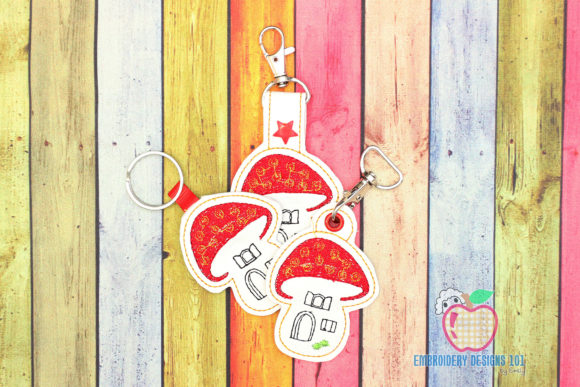
A Professional Review of the Mushroom House ITH Keyfob Embroidery Design
First Impressions: Cute, Colorful, and Clearly Marketable
When I first see a design like the Mushroom House ITH Keyfob, my immediate thought is about its booth appeal. This design promises to add color and cuteness, and that's exactly what it delivers for a craft fair setting. The theme leans into a whimsical, fairy tale vibe that is consistently popular. It feels cute, decorative, and soft—not rustic or minimalist. This aesthetic has broad appeal, especially for handmade gifts and boutique items. The name itself suggests a small, charming scene, which is perfect for products where detail matters.
Craft Fair Booth Strategy: Where This Design Stands Out
Imagine your table display: tote bags, aprons, tea towels, caps, and small pouches all arranged to catch a customer's eye. The Mushroom House ITH Keyfob design, with its inherent charm, would perform exceptionally well on certain products. For quick visual impact, I would prioritize putting it on items with a flat, smooth surface where the colors pop. A tea towel or a linen tote bag makes an excellent first mockup. The design's cute nature also makes it ideal for children's items or giftable accessories like keychains (as the name suggests) or small fabric pouches.
For booth display strength, creating a dedicated "Fairy Tales" section with this design featured on a variety of products creates a cohesive story. A customer might notice the same Mushroom House design on a pillow cover, then see it on a market bag, reinforcing its appeal and your brand's consistency in offering charming, handmade products.
Key Product Applications for Maximum Sales
- Tote Bags & Market Bags: As a focal point, this embroidery design adds significant value. It transforms a simple bag into a specialty item.
- Aprons & Kitchen Towels: The fairy tale theme works beautifully in a kitchen setting, appealing to those who love a playful, cozy aesthetic.
- Embroidered Patches: This is a fantastic option. The design can be stitched onto sturdy fabric and applied to various items, offering versatility to the buyer and easier batch production for you.
- Pillow Covers & Decorative Items: For a higher-price-point item, this machine embroidery design elevates a pillow cover into a decorative accent piece.
- Caps: Careful testing is needed here due to the curved surface, but a well-executed Mushroom House on a cap could be a unique seller.
- Small Pouches & Keyfobs: Obviously a perfect match given the product title. These are low-cost, high-margin items perfect for impulse buys at a fair.
Production Practicalities for the Small Shop Owner
As an embroidery business owner, my review always turns to practical execution. The product description notes it comes with multiple embroidery file formats, which is crucial for different machines and commercial embroidery. Before any production, you must confirm the specific hoop size requirements and stitch density.
Stitch density and tiny details are my first concern for a design like this. Mushroom houses often have small windows, dots, or fine lines. On textured towels or dark fabric, these details might lose clarity. It is imperative to test the design on scrap fabric first, using the proper stabilizer. Check thread contrast—bright colors on light fabric will sell better in person. If the design has very dense stitch areas, it might be challenging on thicker fabrics like canvas for tote bags without proper hooping and stabilization.
Batch Production and Online Sales Considerations
For Etsy sellers and digital sellers offering finished products, repeatability is key. The Mushroom House ITH Keyfob design, if it stitches cleanly and without frequent thread breaks, is ideal for batch production. Create at least one real, physical mockup for photography. This design should photograph beautifully for online listings; the color and cuteness translate well through images. Offering it on multiple products (tote bag, apron, patch) as separate listings can maximize your digital embroidery file's value.
Always confirm commercial licensing before selling finished products. The description says it "can b," but you must verify the full terms. This is a non-negotiable step for any commercial embroidery venture.
Designer Notes for a Successful Market Ready Product
Here is my real-world checklist for turning this digital embroidery file into a successful craft fair product:
- Test Everything: Run the design on the actual fabrics you'll use: cotton for towels, linen for bags, twill for caps.
- Review Spacing and Size: Does it work as a small accent on a pocket, or does it need to be a large centerpiece? This affects your product planning.
- Compare Fabric Colors: Stitch it on white, cream, and pastel backgrounds. See which combination maximizes visual appeal and customer attention.
- Inspect the Finished Stitchout: Look for any puckering, check that all details are clear, and ensure the overall look feels premium and handmade.
- Plan Your Booth Samples: Have at least one pristine, perfect version of each product (e.g., a tote bag) on display, and have inventory with slight variations (different fabric colors) to show options.
Final Judgment on Buyer Engagement and Value
The Mushroom House ITH Keyfob embroidery design has strong potential to increase product value and buyer engagement. At a fair, a cute, well-executed embroidery design stops people. It invites questions about the process and adds a story—the fairy tale element—to the item. This perceived handmade quality is what sells. For the creative entrepreneur, this design is a versatile asset. It can anchor a product line, complement other nature-themed designs, and become a recognizable part of your brand's offering. Focus on its strengths: color, cuteness, and charm. Mitigate its potential weaknesses—fine details on difficult fabrics—through rigorous testing. With that preparation, this machine embroidery design can become a reliable, profitable part of your handmade product repertoire for craft fairs, your Etsy shop, and beyond.