A Playful Gesture for Craft Fair Success
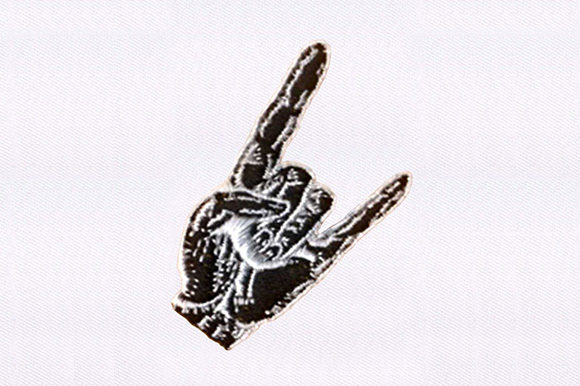
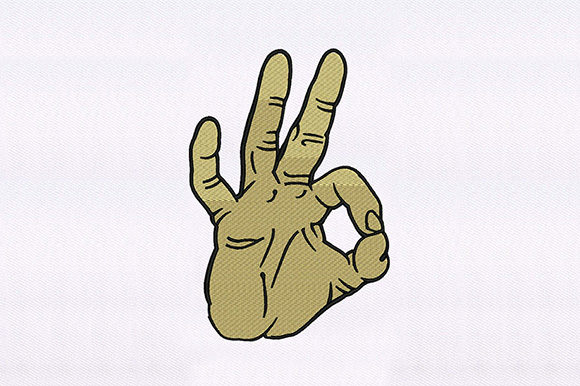
As someone who has spent years preparing embroidery designs for craft fairs and handmade markets, I immediately see the potential in Ok Signing Fingers. This machine embroidery design has a universal, friendly appeal that falls neatly into the Friends category, and its simple, recognizable gesture speaks volumes without needing words.
First Impression: Friendly, Modern, and Instantly Understandable
The title tells you everything. This isn't a complex, decorative piece; it’s a gesture of affirmation, agreement, and positivity. The first impression is modern, playful, and direct. It lacks the frills of a farmhouse design or the softness of a purely cute motif, but it carries a subtle, cool confidence. It feels like a design for the contemporary maker—someone selling to customers who appreciate clean, communicative symbols on their everyday items.
Where Ok Signing Fingers Shines on Your Booth Table
Your craft fair booth is a visual story. You need designs that catch eyes from three feet away and make people smile as they approach. Ok Signing Fingers is perfect for that role. Let’s evaluate its performance across typical handmade products.
Tote Bags & Market Bags: The Statement Carrier
This is a prime candidate. On a simple canvas tote, the gesture becomes a bold, fun statement. It works as a medium-sized focal point, not a tiny accent. The design is clear and graphic enough to be easily understood on a bag slung over a shoulder, making it a great walking advertisement for your booth as customers carry it around the fair.
Aprons & Kitchen Towels: Adding Personality to Practicality
For apron embroidery or tea towel embroidery, this design adds a lighthearted touch to functional items. On the corner of a linen tea towel or the chest of a chef’s apron, it feels like a personal note—a cheeky “okay” to the task at hand. It elevates a simple utilitarian product into a giftable handmade item with character.
Caps & Patches: The Accent Power
Here, you need to be cautious with size. As an embroidered patch or direct cap embroidery, Ok Signing Fingers must be tested at a smaller scale. The potential for tiny details, like the space between fingers, to lose clarity on a curved cap surface is real. If the stitch count is high and dense, it might be too heavy for a lightweight cap. This is a design where checking the actual embroidery file specifications for stitch density is crucial before committing.
Small Pouches & Pillow Covers: Decorative and Cohesive
On a fabric pouch or a minimalist pillow cover, the design shifts toward a more decorative, almost symbolic role. It can serve as a consistent brand element if you're building a line of positive, communicative products for your small shop. It photographs beautifully for Etsy listings and printable mockups against plain backgrounds, creating a clean, sellable visual.
The Practical Designer’s Checklist for Production
Turning a digital embroidery file into a stack of sellable craft fair products requires a practical eye. Here’s how I approach a design like this.
Always Test on Scrap First. Never assume. Run Ok Signing Fingers on a piece of the actual fabric you plan to use—be it thick canvas for a tote or textured linen for a towel. Check the thread contrast. On dark fabric, you may need to adjust colors to ensure the fingers pop.
Inspect Stitch Density and Stabilizer Needs. The description lists many machine embroidery design formats (ART, DST, PES, etc.), but specifics like stitch count aren't provided. Before batch production, load the file and look. Are there dense stitch areas that could pucker on lightweight materials? Does it require a specific stabilizer to stay crisp on fabrics like towels? This dictates your production speed and material costs.
Confirm Hoop Size and Placement. Determine the optimal hoop size for your chosen product. Is it a 4x4 design perfect for a pouch corner, or does it need a 5x7 hoop to shine on a tote bag? Spacing matters—ensure the design sits well on the product layout without looking cramped or unbalanced.
Critical Considerations for Selling Success
- Visual Appeal at a Glance: This design wins here. Customers will understand it instantly, which is vital for a bustling fair.
- Photography for Online Sales: Its graphic nature makes it ideal for Etsy seller mockups. It looks clean and professional in product photos, enhancing perceived value.
- Repeatability for Batch Production: If the stitch density is reasonable and the design runs cleanly, it can be an efficient choice for creating multiple units of the same product, like a run of tote bags.
- Commercial Licensing: The file formats suggest it's a commercial embroidery design, but always confirm the license terms explicitly before selling finished products. Never assume.
Turning a Digital File into Booth Engagement
Ultimately, Ok Signing Fingers is about creating a connection. On your booth display, a tote bag or apron featuring this design acts as a conversation starter. It’s friendly and approachable. It doesn’t scream “luxury” or “premium,” but it strongly communicates “quality handmade” with a modern twist.
For the creative entrepreneur, this design offers versatility. It can anchor a line of affirmation-based products or stand alone as a popular single. Its strength is its simplicity and universal recognition. By pairing it with the right product—like a well-made tote bag—you create an item with strong visual appeal, customer attention, and practical value that feels worth the handmade price tag.
My final designer’s note: Create at least one real, physical mockup. See how Ok Signing Fingers looks in person, feels in hand, and sits among your other products. That real-world test, comparing fabric colors and final texture, is the only way to truly judge its place in your craft fair lineup and ensure it’s ready to meet your customers with a confident, okay sign.