A Deep Dive into the Blue Eyed Lion Embroidery Design
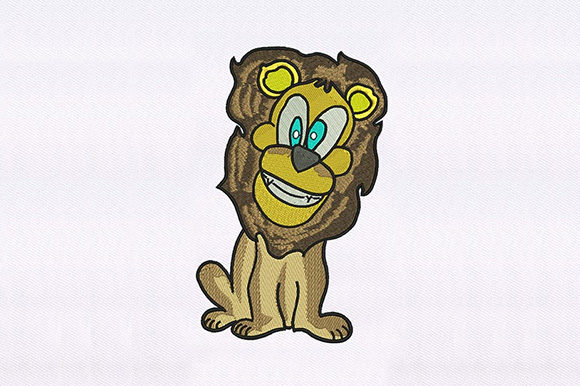
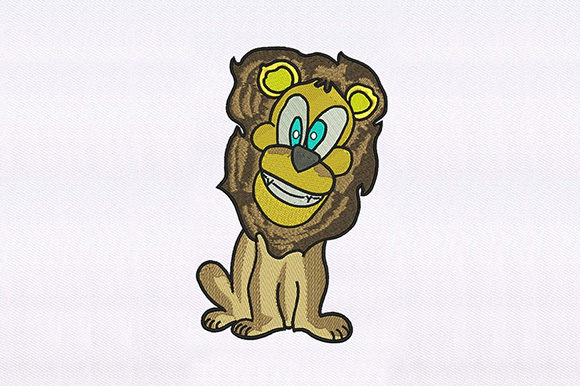
When I first opened the Blue Eyed Lion Design, its presence was immediately striking. This isn't a roaring, aggressive lion; it's a contemplative, almost regal portrait. The focus on those distinct blue eyes creates a mood of serene power and quiet majesty. The overall shape is well-contained, with a balanced layout that suggests it will sit beautifully as a central motif on a variety of projects. The level of detail—particularly in the facial features and mane texture—promises good stitch definition, translating from a digital file into a tactile, handmade product with real character.
The Kind of Project This Lion Was Born For
This wild animals design feels destined for projects where you want to convey strength paired with a touch of elegance. I instantly pictured it on a premium cotton tote bag for a boutique, or as a standout feature on the back of a heavyweight sweatshirt. Its personality would make it a wonderful, unique gift—think a framed embroidered patch for a newborn's nursery decor, or a detailed accent on a linen pillow cover. For small business owners, this lion could become a signature piece for a brand centered on nature, courage, or family.
Imagine you're an Etsy seller preparing a line of custom, embroidered denim jackets. The Blue Eyed Lion Design would add significant value and visual appeal, elevating a simple jacket into a statement piece. Customers react to embroidery that tells a story, and this design’s expressive eyes create an immediate connection. It feels giftable and professional, boosting buyer engagement far beyond a generic graphic.
Navigating Real-World Stitching Scenarios
In practical embroidery project use, a design's true character emerges. For this lion, I would lean towards stable, medium-weight fabrics for the best results. A crisp cotton twill tote bag or a quality sweatshirt fleece would allow those detailed mane lines and the intricate eyes to stitch out with clarity. On custom apparel like t-shirts, you'd need excellent stabilizer and careful hooping to prevent distortion on the knit fabric, especially within the denser fill stitch areas of the lion's face.
I'd be cautious about placing it on highly textured fabrics like a thick blanket, where fine details might get lost, or on very thin fabrics where the stitch density could cause puckering. For curved surfaces like caps, the design's overall shape looks adaptable, but a test run on scrap fabric is essential to check how the smaller details, like the individual whisker lines, behave on that contour.
Where Extra Attention is Needed
Success with this design hinges on a few key practical embroidery designer notes. Always, always test on a scrap of your intended project fabric first. This allows you to review the stitch density, inspect how the small details render, and choose your thread colors for maximum contrast. On dark fabric backgrounds, you might need to adjust your color palette to ensure the lion's features remain vivid. Using proper stabilizer is non-negotiable here to maintain the design's integrity, especially on layered garments or products that will undergo frequent washing, like a kitchen towel or baby item.
Before committing to a large project or a batch of small shop merchandise, I strongly advise checking the design in a simple black and white printable mockup. This helps visualize its form without color distraction. Also, compare how it looks on both light and dark background mockups to plan your product line. Since this embroidery file comes in a wide array of formats—including PES, JEF, DST, and others—confirm your specific machine compatibility and the intended hoop size before starting. The provided format list is comprehensive, but double-checking ensures a smooth stitch-out.
Turning a Digital File into a Trusted Product
For craft business owners and creative entrepreneurs, using a design like this goes beyond a single project. It becomes a commercial embroidery asset. The clarity and artistry of the stitched-out lion directly affect customer trust and your brand's presentation. A clean, detailed finish on a embroidered patch or a personalized gift signals professionalism and care. This builds brand consistency if you're creating a series of wildlife-themed products.
A crucial final step is to confirm the licensing terms for this digital embroidery file. Before selling the finished products—whether it's on Etsy, at craft fairs, or as part of your boutique branding—you must understand if your use is for personal or commercial projects. This protects your business and respects the designer's work. Once that's clear, the Blue Eyed Lion Design transforms from a digital asset into a reliable, revenue-generating part of your creative workflow.
In my hands, this design wouldn't just be another file in the library. It would be planned for a specific, high-impact application: perhaps a limited-run series of premium pillow covers for a holiday gift collection. Its combination of detailed artistry and emotive eyes has the potential to not only stitch out beautifully but to resonate deeply, making the final finished product something both the maker and the customer are proud to own.