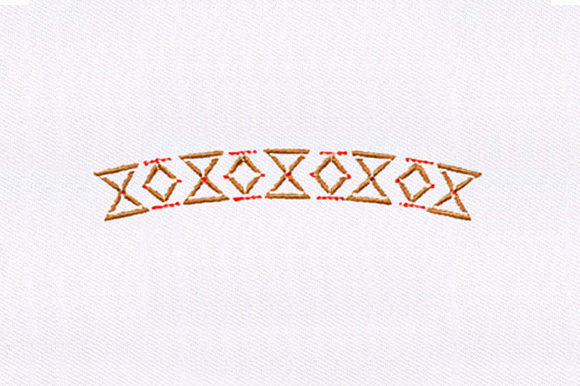
A Closer Look at the Xs and Os Quilting Embroidery Design
As an embroidery designer working with both handmade gifts and commercial orders, I constantly evaluate new designs for their real-world application. When considering the Xs and Os Quilting Design from Creative Fabrica for a potential project, my first step is always to imagine it stitched out. This design presents a classic, playful motif of interlocking Xs and O shapes, reminiscent of a tic-tac-toe board or a cozy quilt pattern. Its visual mood is gently geometric and friendly, offering a decorative appeal that feels both timeless and versatile.
The Natural Fit for Real Embroidery Projects
The clean lines and balanced repetition of this machine embroidery design make it a strong candidate for a wide range of items. It naturally fits projects where a touch of structured charm is desired. For custom apparel like sweatshirts or aprons, it could serve as a subtle, all-over pattern or a focal chest design. Its nature makes it excellent for baby items, nursery decor, or a baby blanket, where the soft geometry feels safe and sweet. I immediately thought of applying it to tote bags, pillow covers, and kitchen towels—products where the design can enhance the handmade presentation without overwhelming the item's function.
For sellers on Etsy or at craft fairs, this embroidery file could elevate simple products. A cap with this pattern would offer a modern, unisex appeal. As an embroidered patch, it would be clean and recognizable. It also has strong potential for boutique merchandise like linen napkins or simple pouches, adding value through thoughtful detail. When creating printable mockups for online listings, a design with such clear, positive shapes photographs well, aiding in customer engagement and trust.
Considering Performance on Fabric and in the Hoop
Moving from concept to machine requires practical analysis. The product details note a comprehensive list of supported EMBROIDERY FILE FORMATS, including PES, JEF, DST, and others, which is crucial for machine compatibility. However, specific details like stitch count or a minimum hoop size are not provided here. This is a vital reminder: always check the product details on the Creative Fabrica page before committing to a project.
Given the design's likely composition of satin stitches or fill stitches for the X and O shapes, considering stitch density is important. On textured or stretchy fabrics like some sweatshirt materials, a denser design might require careful stabilizer selection. For curved surfaces like caps, the interlocking pattern might need adjustment if the elements are very large. I would be mindful of stitching it on dark fabric; the contrast would need to be high, perhaps using a bright white or pastel thread to make the Xs and Os pop.
Small details are always a concern. If the design incorporates tiny connecting lines or delicate corners, a test on scrap fabric is non-negotiable. This helps inspect small details after stitching and confirms that the design remains crisp after several washes, which is essential for items like kitchen towels or baby blankets that see frequent laundering.
Practical Steps Before Stitching for Sale
My process for a design like this before using it for a real customer order involves several key steps. First, I would review the downloaded file in my embroidery software to visually confirm the layout and scale. I would then test on scrap fabric that matches my final product material—perhaps a canvas duck for a tote bag or a cotton blend for a pillow cover. During this test, I would check thread color contrast, review the actual stitch density, and confirm the effective hoop size needed.
Comparing how it looks on both light and dark fabric mockups in software gives a sense of its versatility. Using the proper stabilizer for the chosen application is half the battle for a clean finish. Finally, a critical commercial step: thoroughly confirming the file details and the licensing terms on the Creative Fabrica product page before selling any finished items. This ensures your handmade business operates on solid ground.
Adding Value to Handmade and Commercial Work
When a design performs well, it directly affects product value and brand consistency. The Xs and Os Quilting Design, if it stitches out cleanly, offers a neat, graphic element that can make a simple tote bag or apron feel more thoughtfully crafted. This enhances giftability for seasonal handmade gifts. For apparel decorators, it provides a repeating pattern that could be used for brand consistency across a line of products, like a series of embroidered pillow covers.
In commercial embroidery, such a design's success hinges on its efficiency and clarity. A design with potential small, dense areas might require more thread and time, impacting production schedules. However, its straightforward, positive shapes likely mean fewer thread changes and a reliable stitch-out, which is valuable for batch work on items like patches or caps.
Ultimately, the worth of any digital embroidery file lies in its reliable translation from screen to stitch. The broad format support for the Xs and Os Quilting Design is a promising start. Its aesthetic suggests versatility across Bedroom items and beyond, into general home decor and apparel. For embroidery designers, Creative Fabrica users, and creative entrepreneurs looking for a geometric, friendly pattern, this design warrants a closer look. The final decision, as always, comes after a practical test, ensuring it meets the specific demands of your project, your machine, and your customer's expectations.